
Christie’s Sale Confirms It: Indian Art Has Arrived on the World Stage
Most members of the Indian diaspora first encounter Indian art through the modern and contemporary masters — M.F. Husain, S.H. Raza, F.N. Souza, —– and fewer still see these works in person at the major auction houses where they increasingly command global attention. Both Christie’s and Sotheby’s now run dedicated Indian art departments, a sign of how far the category has come. The question, once debated, now feels timely: can Indian art be considered a bona fide asset class? Especially given India’s political, social and economic dominance in the world today.
The numbers suggest the answer is yes. The Indian art market has expanded dramatically, from roughly $2 million in 2000 to about $338 million by 2025. Forecasts project it could surpass $1 billion by 2030. Record-setting sales are reinforcing momentum: in 2023, Amrita Sher-Gil’s The Story Teller fetched $7.45 million; in 2025, Husain’s Untitled (Gram Yatra) shattered that benchmark at $13.8 million. A rising pool of high-net-worth individuals in India, coupled with growing domestic appetite for cultural investment, besieged by nostalgia, roots and heritage, is reshaping the landscape. International visibility is following suit, as more Indian artists enter global auction catalogues, museum exhibitions, and art fairs.
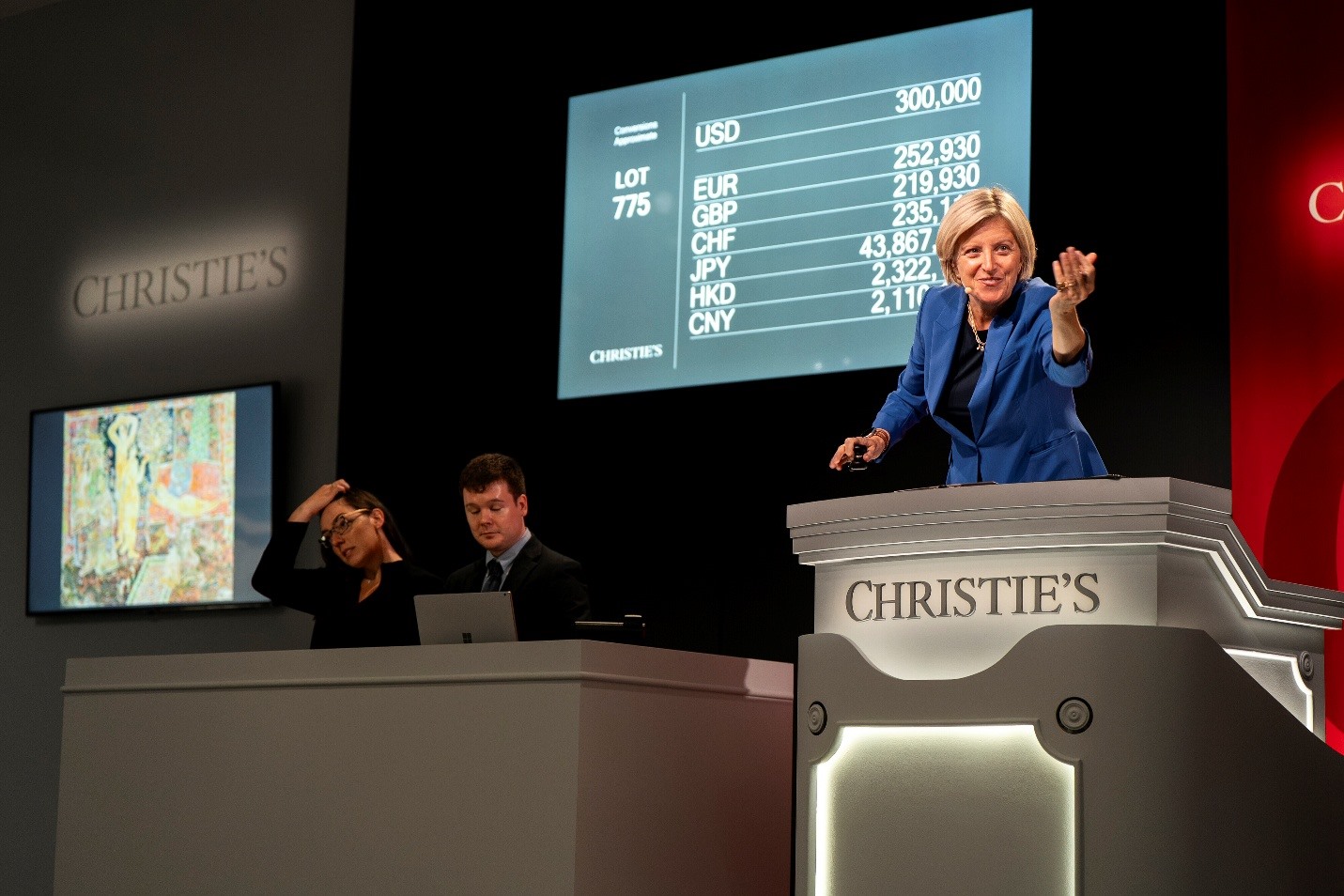
A live auction – Courtesy: CHRISTIE’S IMAGES LTD. 2025
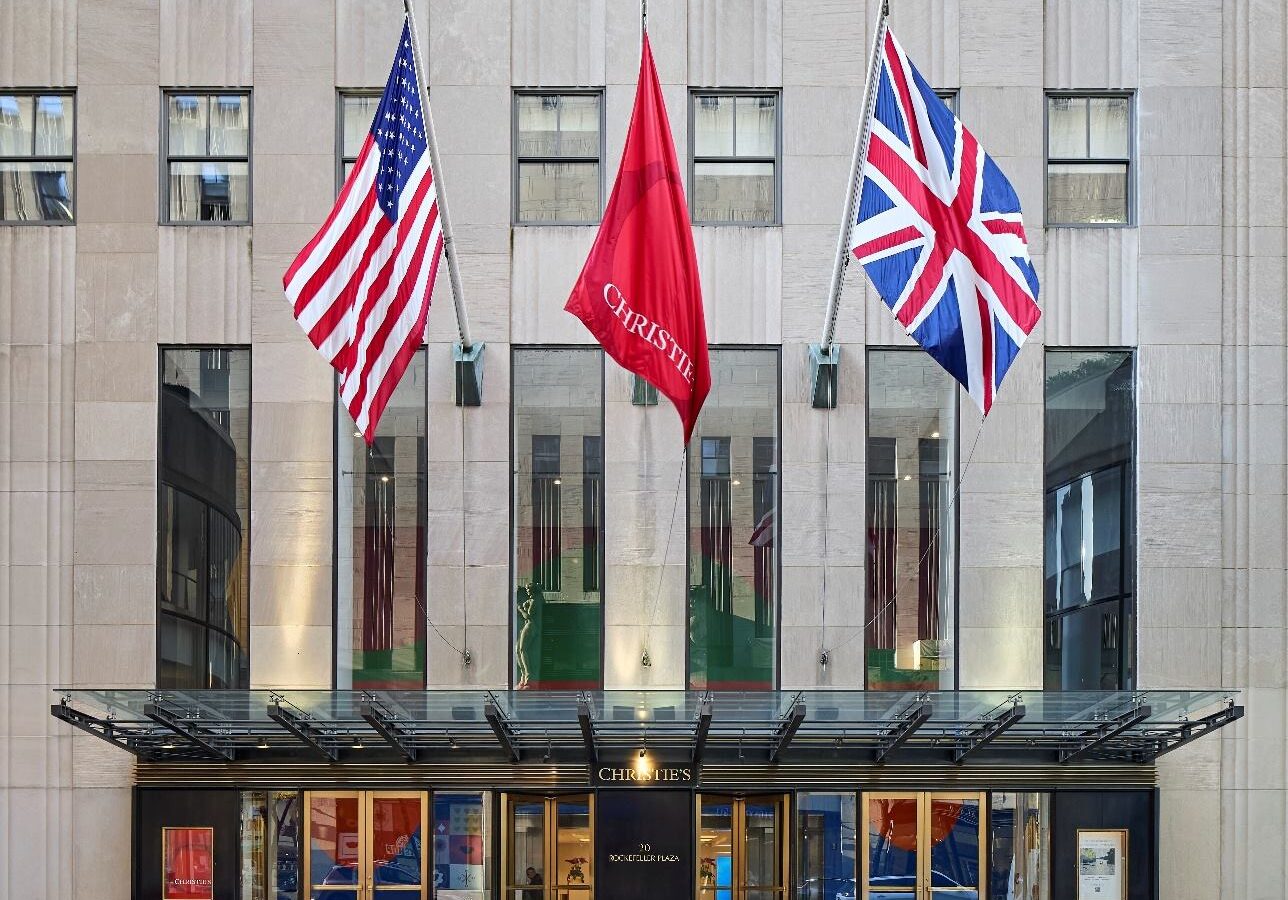
A front-row view of this shift unfolded at Christie’s this Fall. Over two days with guidance from Nishad Avari, the head of the Indian art department, I followed the house’s Modern and Contemporary South Asian art sale all over the 31,000 square foot facility. Nishad pointed out the important and soon to be important pieces as we traversed the auction house which added to the mounting excitement. Christie’s New York headquarters — the limestone-and-bronze colossus at Rockefeller Center — was electric with the kind of brisk bidding more often associated with European or Impressionist art. The result: a rare “white-glove” sale. All 84 lots sold, totaling $12.38 million, or 150 percent above the low estimate. For a market once considered niche, the outcome was emphatic. Vasudeo Gaitonde’s 1971 Untitled from 1984 brought in the highest price realizing $2.4M .
Sixty works soared past their high estimates; 79 cleared their low estimates. “It was unprecedented,” Avari said after the sale. “The bidding was extraordinarily competitive on every lot.”
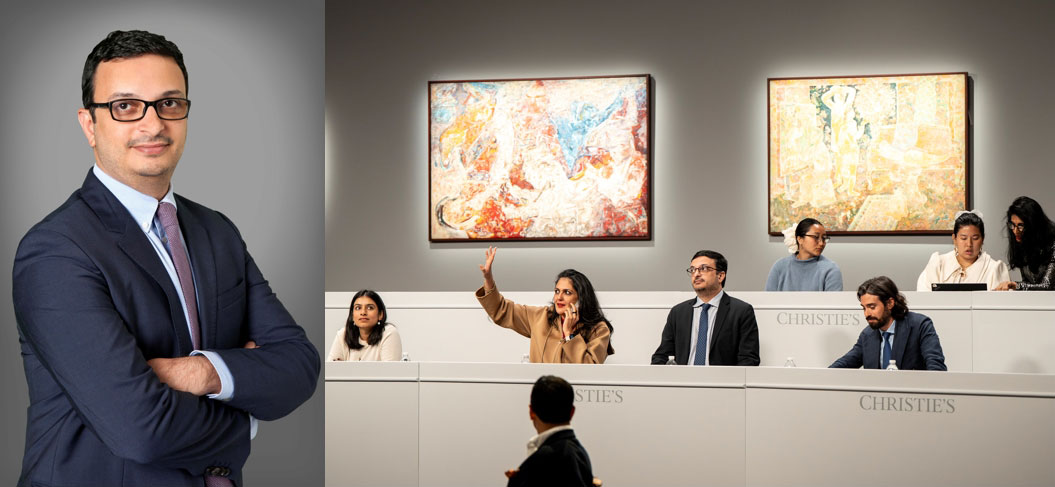
Nishad Avari Courtesy: CHRISTIE’S IMAGES LTD. 2025
Is the interest global? A collector base dominated by Indians is now unmistakably international. Buyers participated from India, the United States, the United Kingdom, the UAE, and Singapore — many through online bidding that has redrawn the boundaries of who can access this market. Christie’s first preview in Dubai this season signaled another shift: the Middle East, with its large South Asian diaspora and emerging cultural infrastructure, is becoming a key node. “Collectors today are global citizens, with homes and interests in several countries,” Avari noted. “That mobility has made this market increasingly international.”
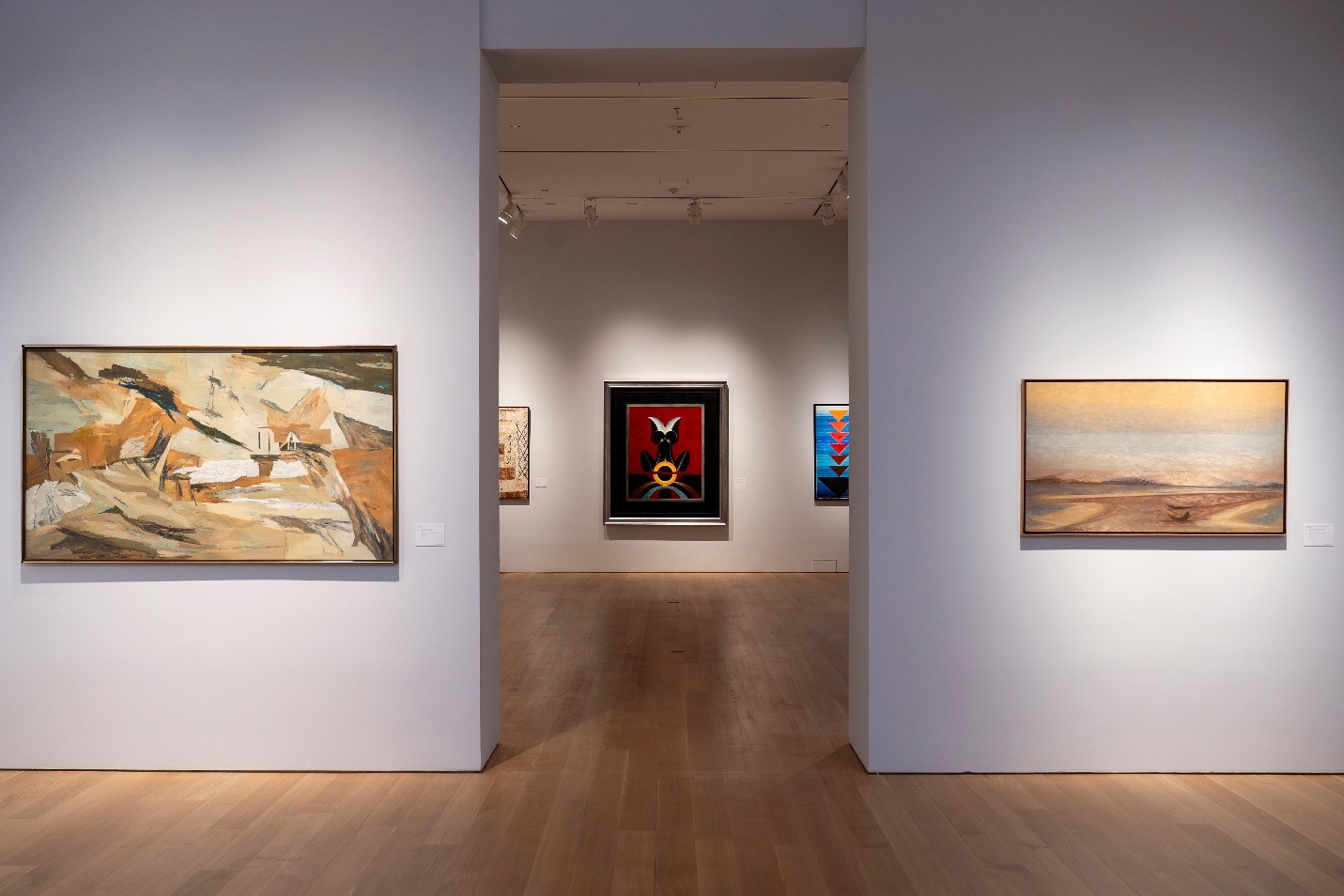
Courtesy: CHRISTIE’S IMAGES LTD. 2025
Who besides the stalwarts — Husain, Souza, Gaitonde? New names like Sheikh Mohammed Sultan and Ivan Peries set fresh auction records, while works on paper by Rashid Choudhury and Biren De sparked heated bidding. Demand for underrepresented regional artists has widened taste beyond the sacred few. The momentum has been steady; earlier this year, Christie’s set 11 new artist records, 10 new medium records, and a category record with the $13.75 million sale of Husain’s Gram Yatra.
Although mid-century modernists remain the category’s backbone, contemporary voices are gaining ground. Sculptor Ravinder Reddy and artist Jitish Kallat each achieved more than double their high estimates. Works by Nalini Malani and Sudhir Patwardhan drew strong global interest. Any interest in colonial paintings? Collectors are looking further back in time: late-19th- and early-20th-century paintings of India by Western artists such as Edward Lord Weeks, Marius Bauer and works from the Company School tradition, are finding new appreciation among buyers who previously focused on modern and contemporary lots.
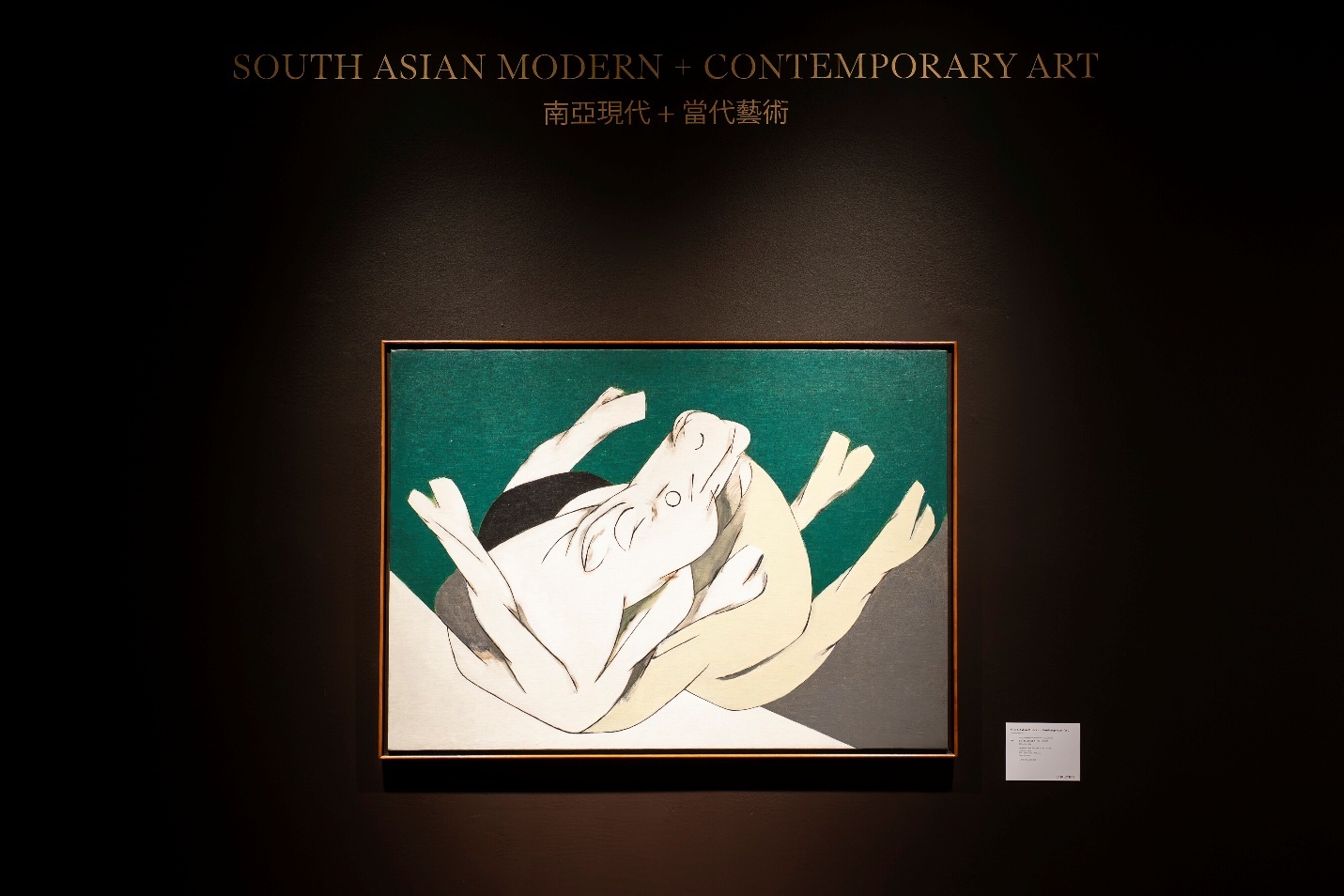
Courtesy: CHRISTIE’S IMAGES LTD. 2025
With prices rising, can the market sustain over the long term? Avari believes the market is expanding sensibly. Unlike speculative booms that have jolted other sectors, this ascent appears rooted in long-term interest. “Most collectors are buying to hold,” he said. “That makes for a healthier, more sustainable market.” Auction houses have reinforced due diligence — transparency on provenance, condition, and pricing — to bolster confidence. Regulatory constraints add complexity: nine “National Treasure” artists designated by India since 1972 cannot be exported, intensifying demand for works already abroad. Liquidity and shifting import-export policies remain variables to watch, but the market has so far proved resilient.
With masterpieces by the modernists increasingly scarce, collectors are broadening their lens. Second-generation figures — Arpita Singh, Gulammohammed Sheikh, Bhupen Khakhar, G.R. Santosh, Sohan Qadri — are seeing renewed demand. Christie’s South Asian sales now routinely include Bangladeshi, Sri Lankan, and Pakistani modernists, reflecting both stronger regional markets and a collector desire for wider narratives.
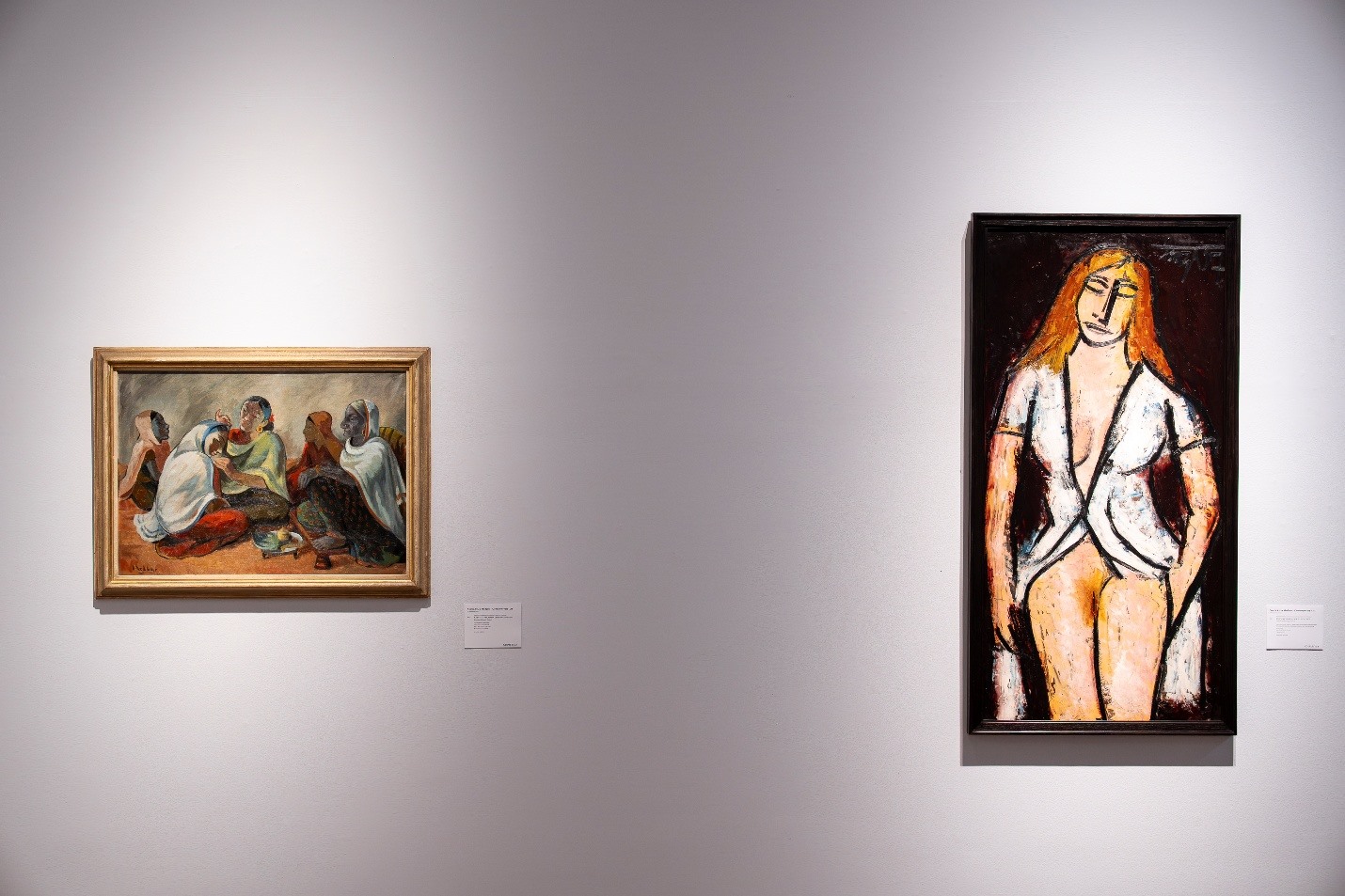
Courtesy: CHRISTIE’S IMAGES LTD. 2025
This evolution suggests a market graduating from adolescence to maturity. A generation ago, Indian art was regarded as peripheral — promising, but secondary to Euro-American categories. Today, it is widely viewed as an essential segment of global collecting, attracting museums, institutions, and private buyers alike. The challenge ahead for auction houses will be balance: curating tightly to satisfy seasoned collectors seeking top-tier works, while keeping the market porous enough for new entrants whose enthusiasm is powering its growth.
“The depth we’re seeing now is extraordinary,” Avari said. “This is no longer just about the biggest names. It’s about the story of South Asian Art in all its diversity — and collectors around the world want to be part of that story.”
At Christie’s this fall, that story unfolded not only on canvas, but in numbers that answered most questions. Indian art is not just culturally resonant — it is economically viable. Looking forward to the Spring 2026 auction with excitement and hope where I am confident that further reaffirmation of the resurgence of Indian Art awaits us.
Published in The American Bazaar & The Business Times